How to Safely Remove Algae from Your Tile Roof in Gainesville, GA
Tile Roofing Algae Removal: What Homeowners Need to Know
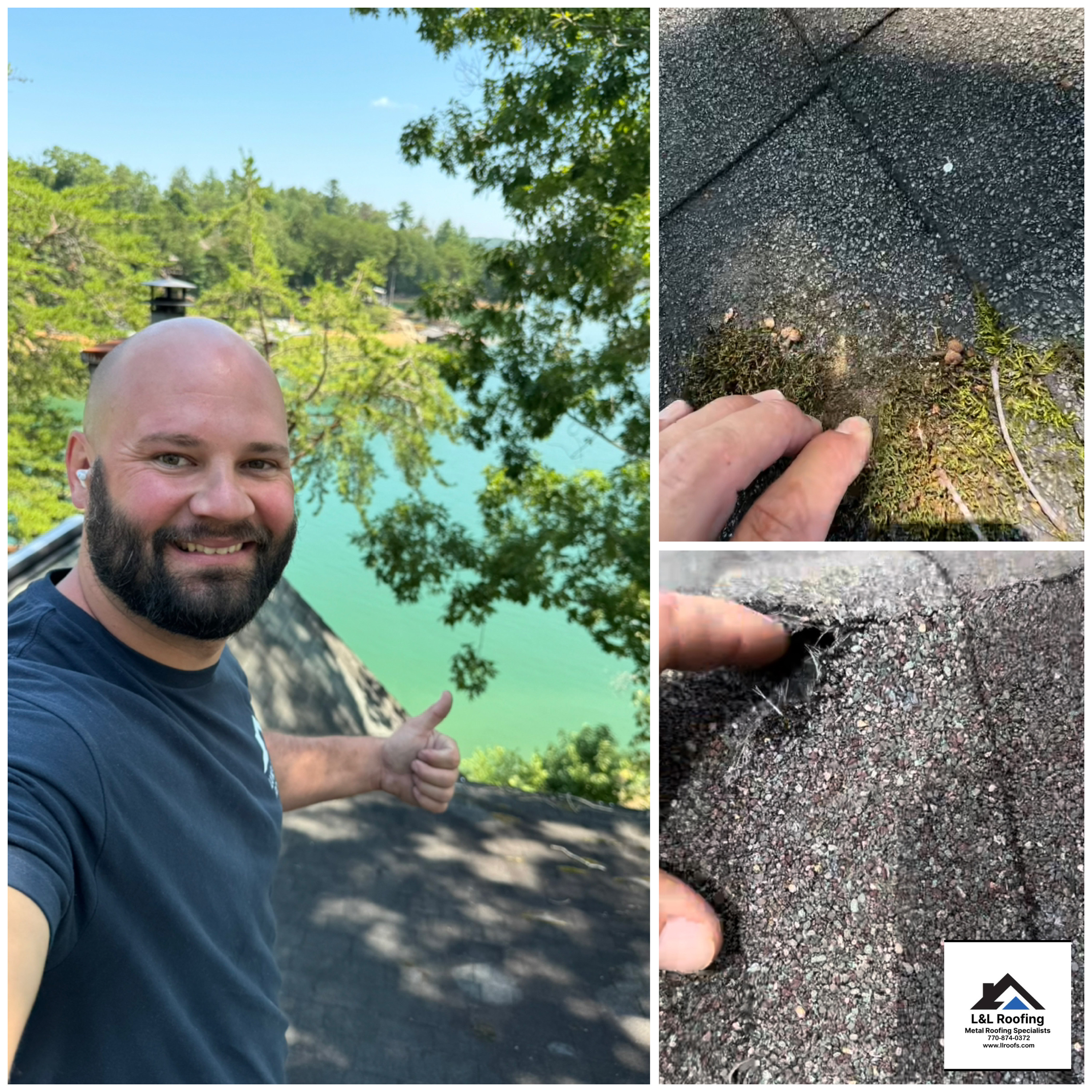
Tile roofs are beautiful, long-lasting, and durable—but if you're noticing dark streaks or greenish patches, you're likely dealing with algae or moss. In North Georgia’s warm, humid climate, this is a common issue—especially in shaded areas of homes around Gainesville, Cumming, Buford, and Flowery Branch.
At L&L Roofing & Construction, we believe in honest answers and faith-driven service. Here’s what you need to know to safely clean your tile roof—and protect it for years to come.
Why Algae Grows on Tile Roofs
Algae doesn’t feed on tile—it feeds on the moisture and organic material (like dust and pollen) that accumulates on your roof. Concrete and clay tiles are especially prone to this in areas with:
Poor sun exposure
Nearby trees or overhanging branches
High humidity and rainfall
While algae may be mostly cosmetic at first, if left untreated, it can hold moisture against the tiles—potentially degrading underlayment, encouraging moss growth, and shortening the life of your roof system.
The Right Way to Clean Tile Roofing
Not all cleaning methods are safe for tile. Harsh chemicals and pressure washing can crack tiles or strip away protective coatings. Here’s our honest advice:
✅ Use These Safe Options:
Low-pressure washing with biodegradable tile-safe solutions
Manual removal of heavy moss by a licensed roofing professional
Treatment with algaecides that are non-corrosive and safe for your tile system
Preventive treatments to slow regrowth
❌ Avoid:
Walking on the tile yourself (risk of breakage and injury)
High-pressure washing (can force water under the tile)
Bleach-only treatments without rinse (can corrode metal flashings)
At L&L Roofing, we never cut corners—our cleaning process is designed to protect your home and your investment.
How Often Should Tile Roofs Be Cleaned?
We recommend a professional inspection every 2–3 years, with cleaning as needed depending on your local conditions. Some homes may need annual touch-ups—especially in wooded areas or near lakes and streams.
Protecting Your Roof After Cleaning
Once your roof is clean, we can apply treatments that inhibit algae regrowth. We also inspect and:
Replace any cracked or damaged tiles
Check flashing and sealant conditions
Clear gutters and valleys for proper drainage
A clean roof isn’t just for looks—it’s part of protecting your home from costly water damage and premature aging.
Service Areas We Cover
We proudly serve homeowners across:
Gainesville
Cumming
Buford
Dahlonega
Flowery Branch
Dawsonville
…and surrounding communities
FAQs: Algae on Tile Roofs
How do I know if it’s algae or mold?
Algae usually shows up as dark streaks or green patches. Mold is thicker and can pose health risks. Either way, don’t wait—get it inspected.
Can I clean it myself?
We strongly advise against it. Tile is slippery and fragile. Always call a licensed professional.
Will algae damage the roof?
If not addressed, algae holds moisture against the roof—leading to moss, leaks, and possible underlayment damage.
Need your tile roof cleaned and protected the right way?
Call us at (770) 874-0372 or schedule a free consultation today. At L&L Roofing, we do the right thing—because it’s the right thing.