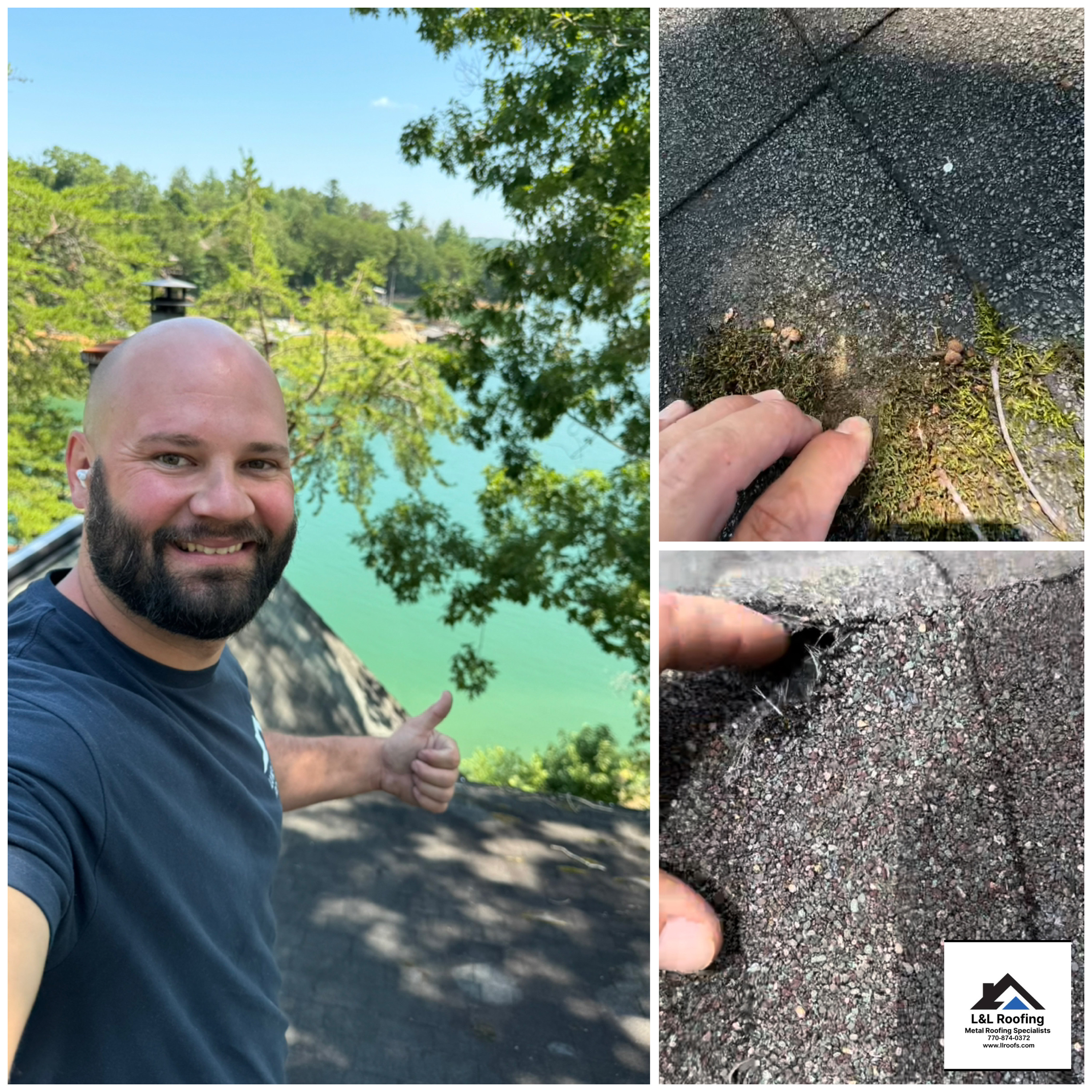

Modified Bitumen Granule Cap Sheet Sealing: Why It Matters
Modified Bitumen Roofing: What to Know About Granule Cap Sealing
Modified bitumen is a go-to solution for low-slope roofs in Gainesville and surrounding North Georgia communities. But if you’ve ever noticed crews going over the seams with a bit of extra attention after a roof is installed, there’s a reason: it’s all about granule cap sheet sealing.
This small step can make a big difference in protecting your investment.
What Is Granule Cap Sheet Sealing?
Modified bitumen roofing often uses a granule-surfaced cap sheet as the top layer. These granules provide UV protection and improve durability. But when sheets are overlapped or seams are torched/welded together, those seams can sometimes be left slightly exposed or less watertight if not finished properly.
Cap sheet sealing means applying extra bitumen or mastic to the seams or edges and embedding loose granules over that sealant. This helps:
Lock in the seam for long-term water resistance
Re-cover any exposed bitumen to prevent UV degradation
Improve the overall uniform appearance
Why Is It So Important?
Here in North Georgia—where storms, humidity, and heavy sun are part of life—roofs take a beating.
Skipping granule cap sealing can lead to:
Premature aging at seams
Cracking or splitting under UV exposure
Water intrusion that finds its way under seams or flashings
The Insurance Institute for Business & Home Safety and ARMA (Asphalt Roofing Manufacturers Association) both recommend sealing seams and edges for added longevity—especially in regions prone to hail, heat, and ponding water.
How Is Cap Sealing Done?
Here’s how a professional crew like ours at L&L Roofing & Construction does it right:
Heat Weld or Cold-Adhere the Cap Sheet: Depending on system design.
Apply Modified Bitumen Sealant: To key areas—seams, T-joints, terminations, and details.
Broadcast Loose Granules: Over the wet sealant to match the surrounding surface and protect against UV.
We always take time to embed those granules. Why? Because we believe in doing the right thing, even when no one’s watching.
Real-World Example from Our Projects
One homeowner in Cumming had a modified bitumen roof installed by another contractor. After just two summers, the seams started cracking due to sun damage. Our team came in, cleaned and re-sealed all cap sheet seams with embedded granules.
That roof hasn’t had an issue since—and it’s been through two hailstorms.
FAQs
Do all modified bitumen roofs need cap sealing?
If the roof uses granule-surfaced cap sheets, then yes—especially at seams, T-joints, and flashing edges.
Can you add sealing after installation?
Yes, in many cases it’s possible to clean and reseal aging seams. It’s a smart maintenance step.
What’s the lifespan of a sealed cap sheet roof?
With proper installation and sealing, a modified bitumen roof can last 20–30 years.
Is this something I should inspect annually?
Absolutely. We recommend checking seams and flashing terminations during your yearly inspection.
Final Word from Luke Heaps
At L&L Roofing, we don’t take shortcuts. Whether you need a roof repair or a full low-slope system for your porch or addition, granule cap sealing is always part of the job.
Because protecting your home starts with the details.
Need help with a flat or low-slope roof? Call us at (770) 874-0372 or schedule an inspection today.