
Modified Bitumen Roof Leak Repair: What Homeowners in Gainesville Need to Know
How to Patch a Leak in Your Modified Bitumen Roof (Without Making It Worse)
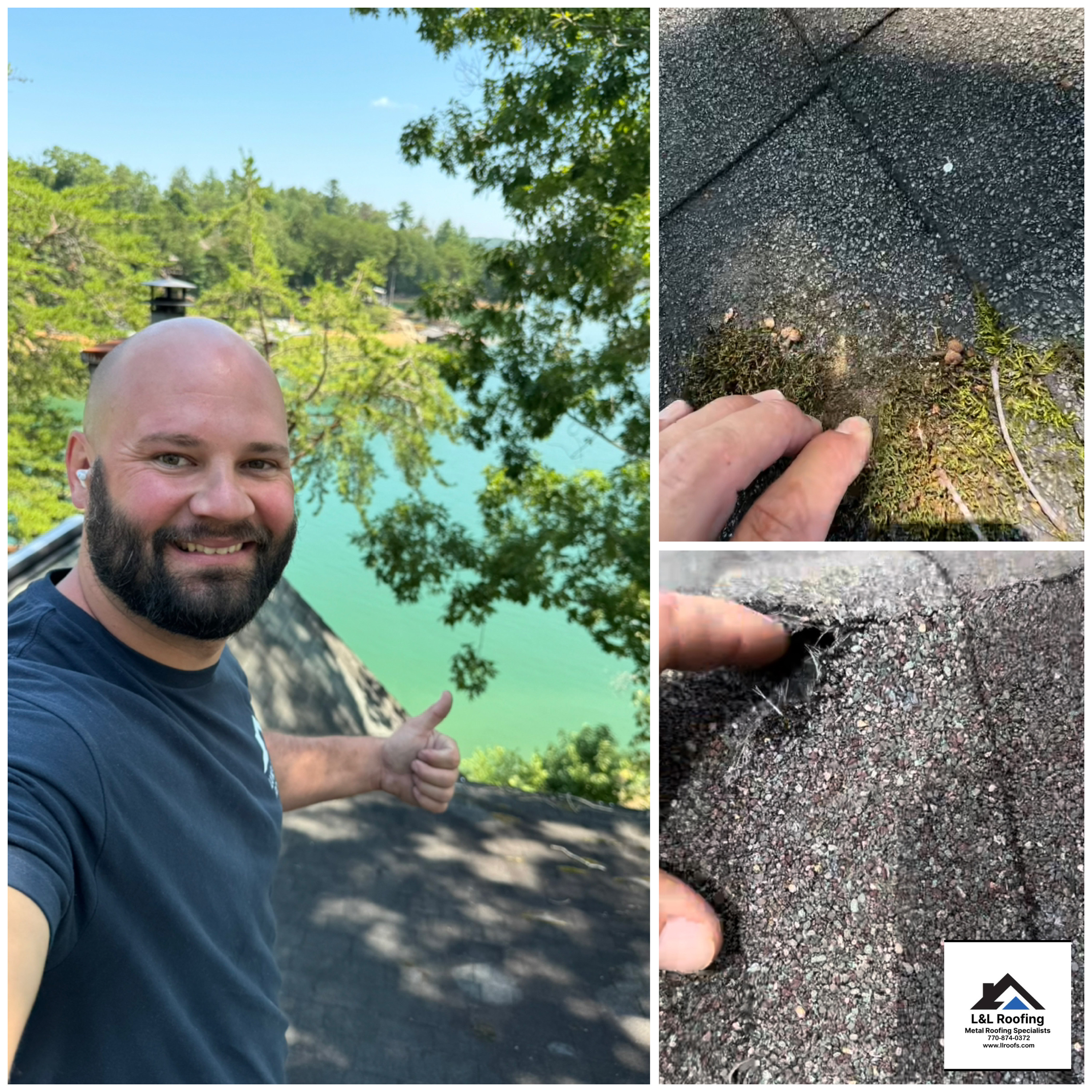
Modified bitumen roofing is popular for low-slope and flat roofs around Gainesville, especially on garages, additions, and even smaller commercial buildings. It’s durable, flexible, and UV resistant—but like any roof, it can leak if seams split, flashing fails, or the membrane takes damage.
Here’s what you need to know if you suspect a leak—and how we at L&L Roofing & Construction approach modified bitumen patching the right way.
First: How Do You Know It’s Leaking?
Before grabbing a bucket of tar (please don’t), look for signs like:
Bubbling or blisters under the membrane
Visible splits or cracks near seams or flashing
Soft, “spongy” spots when walking the roof
Stains or water entry inside your home or building
If you’re seeing these symptoms—don’t delay. Modified bitumen leaks won’t fix themselves.
What Causes Modified Bitumen Leaks?
We’ve patched dozens of these in Gainesville, Cumming, and Flowery Branch, and the most common causes include:
Poorly sealed seams from the original install
Ponding water (flat areas with no slope)
UV damage over the years
Flashing failures at roof edges, vents, or walls
Foot traffic or tool damage
Most of the time, leaks start small. But once water finds a weak spot, it works fast.
How We Patch Modified Bitumen Roofs (The Right Way)
Here’s a quick breakdown of how our crew tackles it:
1. Identify the leak source
We never guess. We inspect, probe, and sometimes use moisture detection tools to find where the leak starts—not just where the water shows up.
2. Clean the surface
You can’t patch a dirty roof. We remove debris, grease, and old sealant to make sure the new patch sticks.
3. Dry out the area
No patch will hold on a wet surface. We wait for the right conditions—or carefully dry the spot before patching.
4. Apply roofing mastic or bitumen-compatible primer
For smaller splits or blisters, we use a cold-applied roofing cement with embedded mesh. For larger damage, we may torch a new membrane patch or apply a peel-and-stick repair.
5. Seal edges and check flashings
Most patch jobs fail because of poor sealing at the edges. We double-check transitions, flashings, and overlapping seams to avoid repeat calls.
When It’s More Than a Patch Job
Sometimes, it’s not just one leak. If your modified bitumen roof is over 15 years old, or if seams are failing across the board, it might be time for a full replacement.
We’ll never upsell you if a simple repair is enough—but we’ll also never patch a roof that’s past the point of safe repair. That’s not how we do business.
FAQs About Modified Bitumen Leak Repair
How long will a patch last?
A properly done patch can last 3–7 years, depending on roof age and conditions. But if your roof is already near end-of-life, patching is only a short-term fix.
Can I do the patch myself?
We don’t recommend it. DIY patch kits can fail if the prep work isn’t perfect. You may cover the visible hole but trap water underneath—or miss the real source.
Is torching a new membrane dangerous?
It can be. That’s why only licensed and trained crews (like ours) should use torch-down techniques. In many cases, we opt for safer cold-process patches.
Trustworthy Roof Repairs, Backed by Integrity
At L&L Roofing & Construction, we serve Gainesville and surrounding towns like Buford, Dahlonega, and Dawsonville with faith-driven service and honest advice. If your modified bitumen roof is leaking, give us a call. We’ll come take a look and give you a clear, straightforward recommendation.
No scare tactics. No runaround. Just real solutions that protect your home and your peace of mind.
📞 (770) 874-0372
🌐 www.llroofs.com