What Causes Roof Nail Pops & How to Fix Them in Gainesville
Roof Nail Pops: What Gainesville Homeowners Need to Know
If you’ve noticed raised shingles or small bumps forming on your roof, you might be dealing with nail pops. It’s a common issue in Gainesville homes—and one you shouldn’t ignore.
Here’s what causes nail pops, how they affect your roof, and how we at L&L Roofing & Construction handle them with honesty, integrity, and quality workmanship.
What Are Roof Nail Pops?
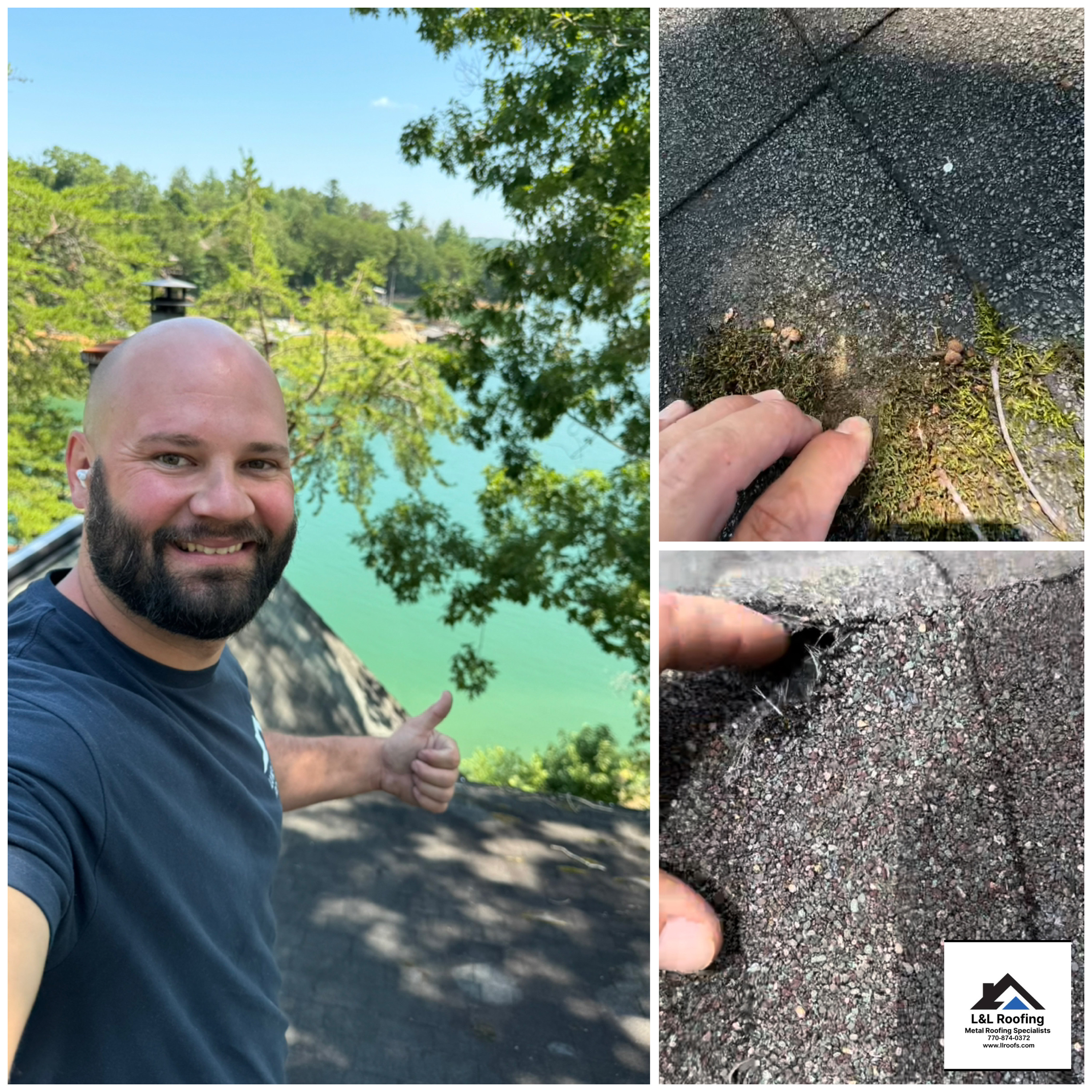
Nail pops happen when the nails used to secure your shingles push up and break through the surface. This often lifts the shingle itself.
You’ll usually see:
A raised shingle edge
A visible nail head poking up
A small "bump" in your roofline
While this may seem minor, it creates a gap where water can get in—and that’s where trouble starts.
Why Do Nail Pops Happen?
From our years roofing in Gainesville and surrounding towns like Oakwood and Flowery Branch, here’s what we’ve found are the most common reasons:
1. Improper Nailing
Nails not driven flush or driven at the wrong angle can work loose over time.
Overdriven or underdriven nails weaken the shingle's hold.
2. Thermal Expansion
Gainesville’s fluctuating seasons cause roof decking and shingles to expand and contract.
This movement can push nails up, especially if the wrong fasteners were used.
3. Roof Deck Issues
If nails are set into soft or deteriorated wood, they won’t stay tight.
Wet or rotted decking is a big red flag—and a nail pop may be the warning sign.
4. Age of the Roof
Over time, materials loosen, wood dries out, and pressure from temperature changes can pop nails.
Are Nail Pops Dangerous?
Yes—because they leave your roof vulnerable to leaks.
A raised shingle allows rainwater to sneak underneath. Over time, this can rot your decking, damage your attic insulation, and even lead to mold.
Worse, if multiple nails pop, strong wind can lift whole shingles—leaving your roof exposed.
How We Repair Nail Pops at L&L Roofing
We never do a quick patch. We do it the right way:
Pull the popped nail.
Replace it with a ring-shank nail or screw in a new location to ensure better grip.
Seal the old hole with asphalt roofing cement.
Secure the shingle properly so it lays flat again.
If we notice many nail pops or signs of deeper damage, we’ll inspect your attic and decking before recommending full repair.
You’ll get honest advice, clear next steps, and a fair price—every time.
FAQs About Roof Nail Pops
How do I know if I have nail pops?
Look for raised shingles, exposed nails, or bumps forming under your shingles. If in doubt, call us for a roof inspection.
Will insurance cover nail pop repair?
Typically not, unless the nail pops were caused by storm damage. But we’ll guide you through what’s worth filing and what’s better handled directly.
Can I fix nail pops myself?
You could—but we don’t recommend it. Improper repair may cause more damage or miss signs of larger issues.
How can I prevent nail pops?
Use ring-shank nails (not smooth-shank)
Ensure nails penetrate the decking at least ¾ inch
Work with qualified roofers who know proper nailing zones
At L&L Roofing, we believe your roof is only as strong as the care behind it. Nail pops may start small—but when handled right, you can avoid big problems down the road.
Need an expert to take a look?
We’re just a call away at (770) 874-0372.